
The business problem
The quality team was responsible for a complex product-release process involving multiple activities, users and sources of information. A large amount of staff time was spent gathering information, updating records, checking status and progressing work through the required stages.
The challenge was not simply to create a faster spreadsheet. It was to understand the full workflow and design a tool that made the process easier to follow from beginning to end.
The consulting approach
The project covered the complete solution lifecycle: requirements gathering, process mapping, workflow design, user-interface design, prototyping, development, testing, implementation, documentation and training.
Working through the process with users made it possible to identify which steps could be automated, which checks needed to remain visible and where a guided interface would reduce confusion.
The Excel automation solution
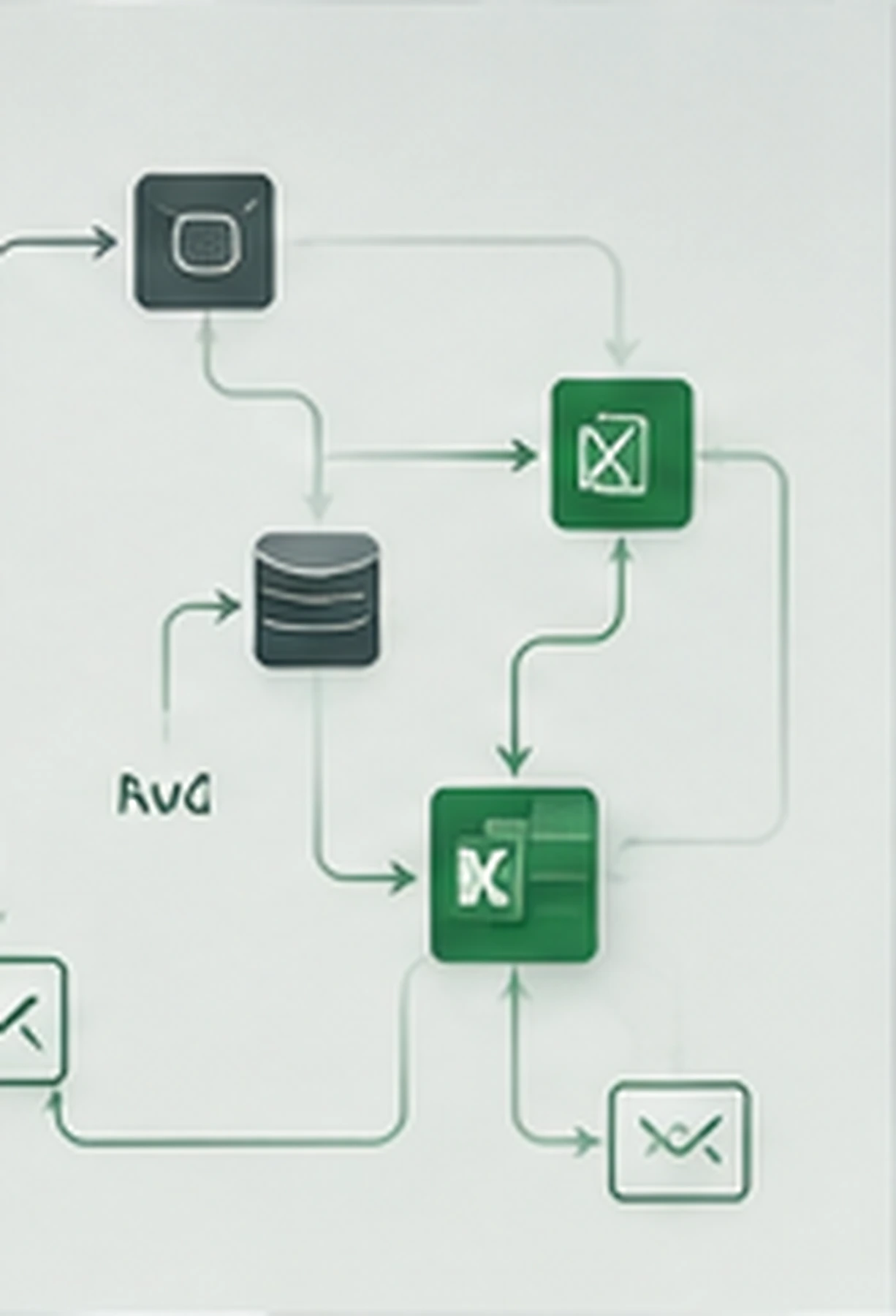
A custom Excel-based process-management tool was developed around the team's existing working method. It brought key actions into one controlled workflow and reduced the need for users to perform repeated manual steps across the process.
- Clear user-facing workflow rather than a collection of disconnected spreadsheets.
- Structured inputs and status tracking.
- Automated calculations and repeated process steps.
- Visible checks and review points.
- Designed around everyday users rather than spreadsheet specialists.
Business impact
The proposed solution was estimated to save approximately 400 staff hours every month while improving the efficiency of the quality operation.
The wider lesson is highly relevant to smaller businesses: when a spreadsheet process becomes business-critical, the biggest opportunity is often to redesign the workflow around the user rather than simply add more formulas to the existing file.